As part of our Careers for Veterans series, we're proud to share the stories of colleagues across Phenna Group who have successfully transitioned from military service into rewarding civilian careers. One of those colleagues is Thomas Slomski, Project Engineer and Project Manager at Atlantic Testing Laboratories (ATL), who brings more than 23 years of leadership, engineering and operational experience from the U.S. Army.
Building a Career Through Service
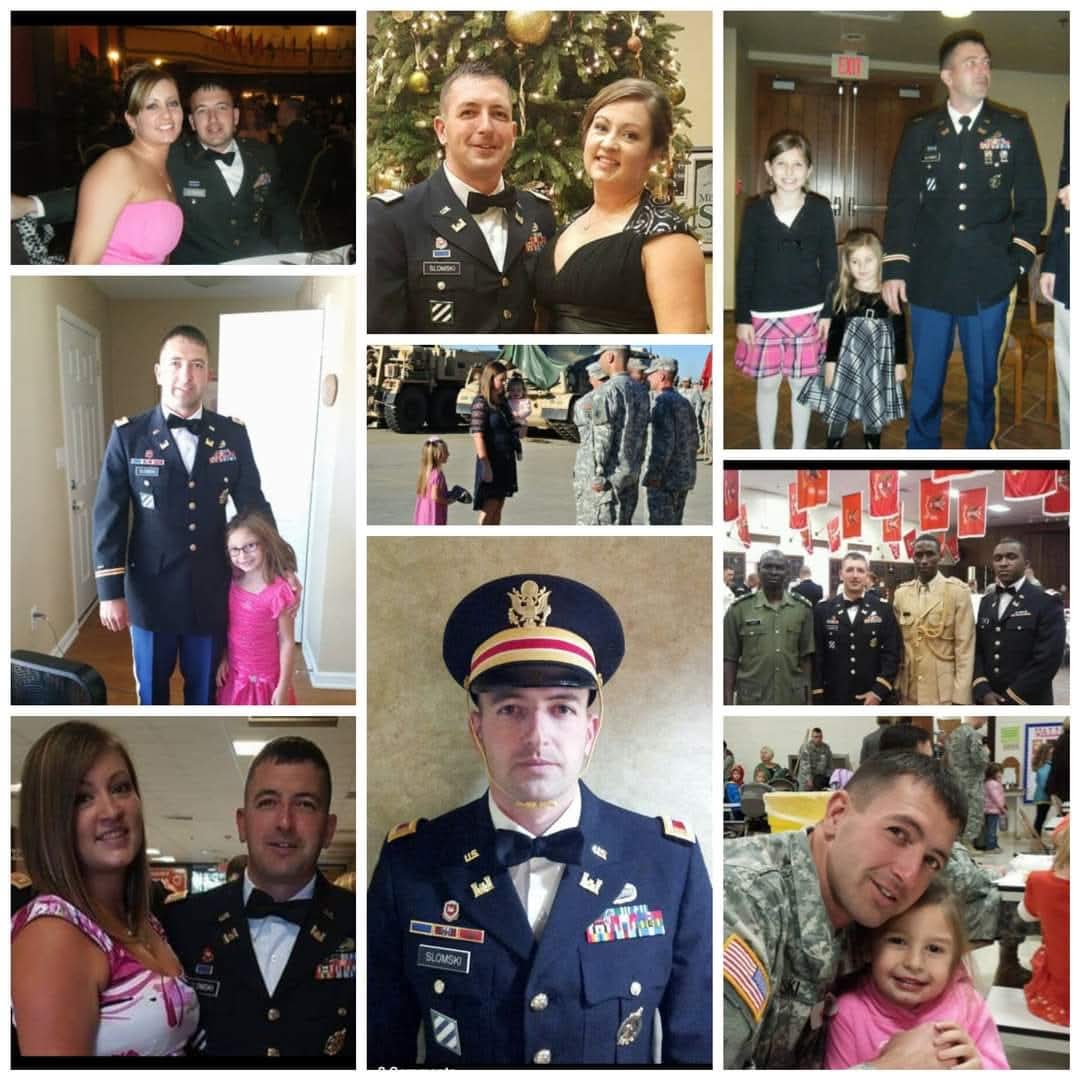
Thomas began his military career as an enlisted 12B Combat Engineer before later earning a commission as a 12A Engineer Officer, ultimately retiring with the rank of Captain after 23 years of service.
Throughout his career, he served on multiple overseas deployments, including Iraq during the initial invasion in 2003. Looking back, Thomas reflects on how those experiences shaped not only his career but also his outlook on leadership and responsibility.
"I was only 23 years old during the initial invasion of Iraq. You quickly realise your decisions have real consequences and that other people are depending on you every day. It changes how you think about responsibility."
Over two decades of service, Thomas progressed from a young, enlisted soldier to a commissioned officer, giving him a unique perspective on leadership at every level of an organisation.
When asked what he misses most about military life, his answer isn't the role itself, but the people.
"There is something unique about the relationships you build in the military. You put people from completely different backgrounds together with a common mission, and they become a team and often something more like a family."
Those experiences shaped the leadership style he continues to bring into civilian life today.
Preparing for Civilian Life
After more than two decades in uniform, Thomas knew it was time for a new chapter.
Leaving the Army was a significant transition. Like many service leavers, military life had become a defining part of his identity. However, he also recognised that the engineering, leadership and project management skills he had developed throughout his career could provide a strong foundation for a civilian career.
Armed with practical experience and a Master's degree in Geological Engineering, Thomas set his sights on engineering and infrastructure, while recognising that transitioning into civilian employment would be a learning experience in itself.
His first opportunity came through the U.S. Army Career Skills Program, which enabled him to move directly into project management within the energy, construction and infrastructure sector before officially retiring from military service.
Reflecting on that period, Thomas says one of the biggest lessons was recognising that finding a job and successfully transitioning into civilian life are two very different things.
"It isn't just about changing careers. You're also adjusting to a completely different way of working and discovering who you are professionally outside the military."
Adapting to New Challenges
Like many careers, Thomas's journey didn't follow a perfectly straight path.
His first civilian employer later encountered financial difficulties, resulting in redundancy. While unexpected, the experience reinforced one of the most valuable lessons he had learned during military service.
Rather than seeing redundancy as the end of the journey, Thomas viewed it as another challenge to overcome. That mindset ultimately led him to Atlantic Testing Laboratories, where he found an opportunity to combine his engineering knowledge, leadership experience and passion for delivering high-quality projects.
Military Skills That Continue to Make a Difference
Although the working environment has changed, Thomas believes many of the skills developed during military service remain just as valuable today.
"The uniform may be gone, but leadership, responsibility, teamwork, adaptability and problem-solving don't disappear."
His military experience gave him an appreciation for every level of a team, from those carrying out the work on site to those responsible for planning, resources and decision-making. He believes that understanding both perspectives has made him a stronger leader throughout his civilian career.
Advice for Service Leavers
Looking back, Thomas encourages anyone preparing to leave the Armed Forces to start planning earlier than they think they need to.
Education, qualifications, professional networking and learning how to translate military experience into civilian language all play an important role in a successful transition.
He also encourages veterans not to underestimate the value of the networks they have already built throughout their military careers.
"The people you served alongside understand your character and work ethic. Stay connected because those relationships can become one of your greatest professional and personal strengths."
Perhaps his biggest piece of advice, however, is not to place unnecessary pressure on finding the perfect role immediately.
Your first civilian position does not need to define the rest of your career. Instead, view it as the beginning of a new journey, remaining open to learning, adapting and embracing new opportunities as they arise.
Just as importantly, Thomas believes veterans should prepare for the personal transition as well as the professional one.
The camaraderie, sense of purpose and belonging that comes with military life can be difficult to replace, making it important to stay connected with fellow veterans and continue building strong support networks.
Supporting Veterans Across Phenna Group
Thomas's journey demonstrates how military service develops far more than technical expertise. Leadership, resilience, adaptability, teamwork and the ability to perform under pressure are qualities that continue to deliver value long after military careers have ended.
Across Phenna Group, we are proud to support veterans as they transition into civilian careers, recognising the experience, professionalism and perspective they bring to our businesses and the positive impact they make for colleagues and customers alike.
Reflecting on his own journey, Thomas offers one final piece of advice for anyone preparing for life beyond the Armed Forces:
"Your military service will always be part of who you are, but it does not have to be the only thing that defines who you become."
Interested in building your career at Phenna Group?
Explore our Careers for Veterans, Service Members and Military Families page to learn how we support your transition.