
Developing a renewable energy plant means demonstrating that its design, construction and electrical systems meet the requirements for safe, reliable operation. Customers need evidence at every stage, from assessing a proposed installation to accepting completed works and maintaining performance.
Phenna Group's testing, inspection, certification and compliance (TICC) capabilities support these decisions. Studio Santi in Italy and 4Fores and Asprel in Spain bring complementary expertise spanning design verification, construction inspection, electrical testing and operational diagnostics.
These recent additions to Phenna have already begun working together to explore how their collective services can meet customers' broader needs in the energy transition. The opportunity is to connect the technical requirements established early in a project with the inspections, tests and compliance evidence needed throughout its life.
Connecting design requirements with site evidence
For a developer, owner or investor, the first challenge is establishing whether a project is technically viable and what it must achieve.
Acting as the owner's technical team, Studio Santi assesses site constraints, verifies engineering designs and checks proposed equipment and grid connections against project requirements. In Italy, these include relevant CEI electrical standards, Terna grid connection requirements, structural standards, and contractual specifications.
During construction, its technical inspections check workmanship and conformity with approved designs. The team also verifies equipment certificates and test procedures, and witnesses factory, site acceptance and commissioning tests.
On a 25 MWp solar project near Rome, Studio Santi has provided owner's engineering services, including technical inspection, construction supervision and compliance verification, as the plant approaches handover.
This inspection and verification work helps determine whether the installation meets the owner's acceptance requirements and identifies gaps in design, equipment certification, or test arrangements before handover.


From inspection to electrical testing
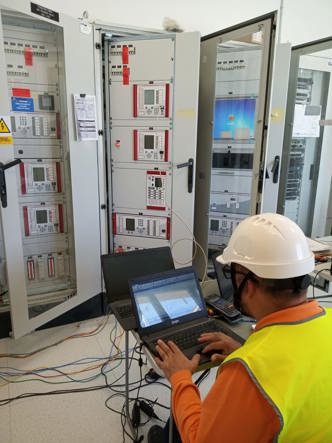 The next step is to produce evidence that installed equipment meets those requirements. Here, 4Fores' and Asprel's specialist testing capabilities complement Studio Santi's technical oversight and test witnessing.
4Fores undertakes electrical studies, testing and commissioning for solar plants, wind farms and substations. Its work includes protection coordination, earthing assessments and grid integration studies, followed by tests on cables, transformers, switchgear and protection systems.
Asprel provides electrical asset verification and diagnostics, including cable insulation testing, fault location, transformer and protection testing, and earthing measurements. These services help identify defects that visual inspection alone may miss.
For a customer preparing to bring a solar plant into service, this could mean Studio Santi verifying the owner's acceptance criteria and witnessing tests, 4Fores assessing protection settings and grid integration requirements, and Asprel testing cable insulation and locating defects. Together, they could help the customer connect design requirements, site findings, and corrective action through Phenna, with each specialist contributing the evidence needed for acceptance.
Compliance depends on the installation and market. Testing may draw on IEC, UNE, EN and IEEE standards, national regulations, electricity network operator procedures and customer specifications. An individual equipment test provides evidence about that asset, while demonstrating plant-wide compliance requires consideration of the wider system.


Maintaining performance after commissioning
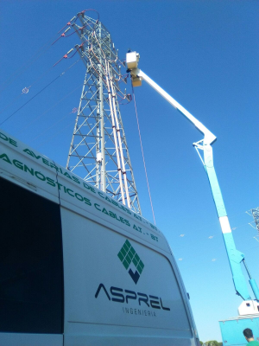 Once generation begins, inspection and testing help owners understand equipment condition, prioritise maintenance and investigate interruptions.
Asprel's cable diagnostics can identify insulation weaknesses and locate defects, supporting targeted repairs. Where technically appropriate, measurements can be taken while a circuit remains in service.
4Fores combines electrical diagnostics with analysis of fault records to investigate unexpected trips and shutdowns.
In one assignment, a current transformer failure shut down a substation serving two wind farms. The replacement transformers had a different transformation ratio, so protection settings had to change.
While engineers calculated the revised settings, technicians inspected and tested the replacement equipment and carried out protection relay tests. The customer could then re-energise the substation and resume operations.
The case shows how engineering analysis, inspection and testing work together to support a practical operational decision.


Supporting projects from the ground up
Phenna's wider capabilities also support the ground conditions and construction quality on which renewable installations depend.
In the UK, CGL, South West Geotechnical (SWG), Mason Evans, CTS and other Group businesses extend this support through ground engineering and construction materials testing.
CGL provides geotechnical and environmental expertise for solar and wind developments. SWG brings specialist experience in utility-scale solar, including ground investigation, geotechnical assessment and pile testing. CTS tests construction materials against project specifications and applicable standards.
Connecting these capabilities with electrical testing, inspection and compliance expertise creates opportunities to support more of a customer's requirements through Phenna. From the ground beneath a plant to the systems carrying its electricity, the focus remains the same: reliable technical evidence that helps customers manage risk and make informed decisions.
Discover how Phenna Group's TICC expertise can support your renewable energy project. Contact our team to discuss your requirements.