Robert's transition from military to civilian life reflects a journey shaped by adaptability, family priorities, and long-term career satisfaction. Demonstrating how service experience can provide a strong foundation for success well beyond uniform.
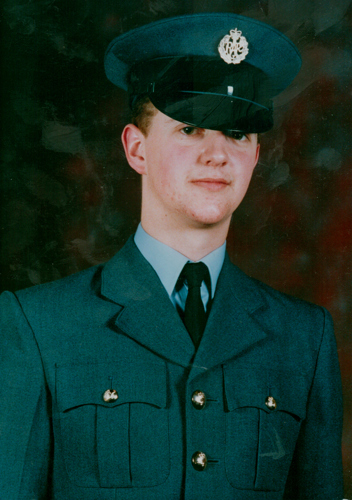 Robert served for seven years in the Royal Air Force as a Personnel Administrator, from 1989 to 1996. His role required accuracy, organisation, and discretion, skills that would later prove invaluable in civilian roles. Like many who serve, Robert found that discipline and professionalism were central to everyday working life in the RAF.
Why Robert Chose to Transition
While representing his RAF station at football, Robert suffered a knee injury that affected his future promotion prospects. At the same time, the armed forces were undergoing significant personnel reductions in the mid-1990s. Faced with redundancy options, Robert, at just 26 years old, decided to leave the RAF and pursue a new career.
He felt confident that he was young enough to start again and apply his experience in a different environment.
Finding Direction After the Forces
Robert left the RAF without a detailed transition plan. His immediate aim was to return home and secure stable employment with long-term prospects. His first civilian role was with the Driving Standards Agency in the Civil Service, a position he could clearly see himself building a career in.
It was there that Robert met his future wife, and a few years later, they started a family together. When their son was born, Robert made a conscious decision to prioritise family life, stepping back from career progression to take on a greater share of childcare responsibilities.
Adapting Career Choices Around Family Life
Robert's civilian career path evolved in response to his family commitments. He took on roles that offered flexibility and stability, including working patterns that supported raising a child. While this meant changing direction at times, it also allowed him to remain fully present during an important stage of family life.
Throughout his civilian career, Robert found that his Forces background was consistently viewed as a positive by employers. The discipline, reliability, and professionalism associated with military service were frequently recognised during interviews and in the workplace.
Returning to Long-Term Career Fulfilment
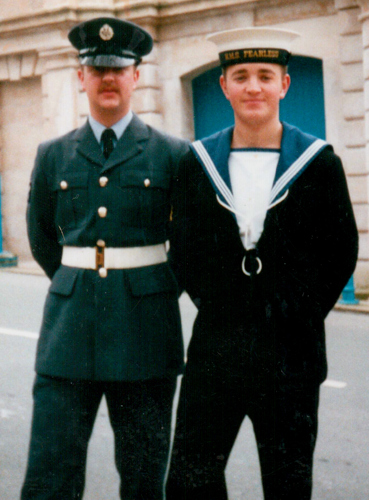 Now that his son has completed university, Robert has been able to refocus fully on his professional career. He currently works as a Senior Lab Technician at Cansford Laboratories, part of the Phenna Group.
Robert describes this role as one of the most enjoyable and rewarding positions he has held since leaving the RAF. The responsibility, structure, and sense of purpose strongly resonate with the aspects of military life he valued most, and he hopes to remain with the business through to retirement.
Reflections and Advice for Service Leavers
Looking back, Robert encourages service leavers to take full advantage of any training offered during transition, something he feels he could have made more use of himself. However, he also stresses the importance of confidence.
Those leaving the forces should be proud of their service and assured that the skills and values developed in uniform provide a strong foundation for the future. Maintaining connections outside the military can also make a significant difference. For Robert, staying connected to friends and familiar routines such as following his local football team helped make his return to civilian life smoother and more comfortable.
Robert's story highlights how military experience, combined with flexibility and family-focused decision-making, can lead to long-term fulfilment and stability in civilian life.
Interested in building your career at Phenna Group?
Explore our Careers for Veterans, Service Members and Military Families page to learn how we support your transition.