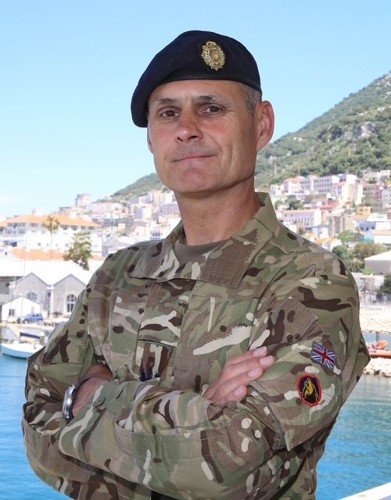
 After 34 years in the British Army, Malcolm brought a lifetime of experience, leadership, and people skills into civilian life, proving that long service can translate into meaningful impact beyond uniform.
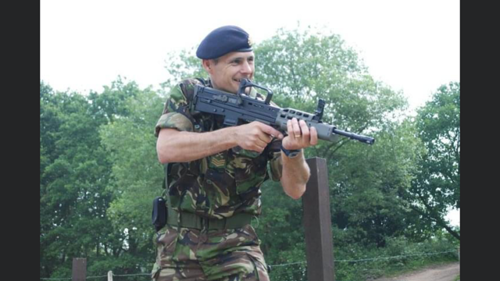
Malcolm served in the Royal Logistic Corps as a Driver Radio Operator, progressing from private soldier to the Army's highest non-commissioned rank, Warrant Officer Class 1. Across his career, he completed multiple operational tours and held a wide range of leadership roles.
His final years in service saw him working as a staff officer in UK operations, acting as a military liaison officer during the COVID-19 response. In this role, Malcolm supported local resilience forums, helping to plan vaccination programmes, establish testing facilities, and coordinate multi-agency responses, work that closely mirrored civilian collaboration and decision-making.
Why Malcolm Chose to Transition
Malcolm's transition from the Army was not optional; it came with retirement at the age of 55. Initially, he planned to fully retire and enjoy life after service.
However, it wasn't long before he realised he still wanted purpose, structure, and the opportunity to contribute. That realisation led him to explore new challenges outside the military.


Navigating the Move from Military to Civilian Life
Unlike many service leavers, Malcolm did not leave with a formal transition plan. Having worked closely with civilian organisations during his final postings, both during COVID and previously in Army recruiting, he already had insight into civilian working environments.
After a short period of retirement, Malcolm trained as a Domestic Energy Assessor with Elmhurst Energy. What began as a new qualification soon became a new career path, and Malcolm decided to join Elmhurst full-time. Today, he works four days a week, balancing professional purpose with flexibility.
Finding a New Role Outside the Forces
Malcolm's first civilian role was in DEA technical support, which he secured by applying through a standard job advert. Having now completed his first year with Elmhurst, he has transitioned into a Technical Consultant and Trainer role, supporting others through training, guidance, and day-to-day technical advice.
Adapting Leadership to a New Environment
One of the biggest challenges Malcolm faced was adjusting his leadership style. After decades of being expected to give direction, share opinions, and make decisions, learning when not to do so took conscious effort.
While he describes his military experience as largely neutral in terms of transition, it has been a clear strength when delivering training and speaking confidently in front of groups, skills developed over years of leadership and instruction.


Finding Fulfilment in Helping Others
The most rewarding part of Malcolm's civilian career has been helping people, whether through phone support, staff development, or delivering training. The sense of service that defined his Army career continues in a different form, grounded in support and shared learning.
Advice for Veterans Preparing to Leave the Forces
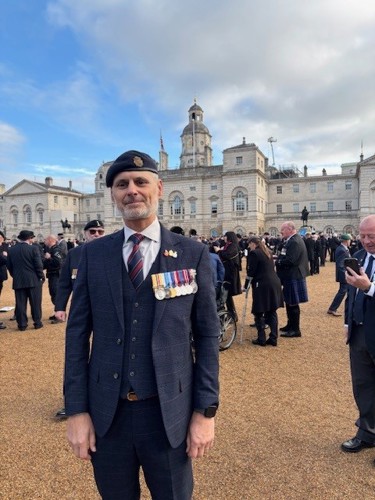 Malcolm's advice is honest and rooted in experience. Transition requires an open mind and an acceptance that civilian life works differently. Constantly reminding himself that he was "in a different world now" helped him adapt.
One key lesson learned was to soften directness, particularly when working with senior colleagues in civilian organisations. While clarity and confidence are strengths, understanding different communication styles is essential.
Malcolm's story is a reminder that even after a full military career, there can be a new purpose, flexibility, and fulfilment beyond service, bringing decades of leadership and experience into a new chapter within the Phenna Group.
Interested in building your career at Phenna Group?
Explore our Careers for Veterans, Service Members and Military Families page to learn how we support your transition.